Source Extruded Engineering Nylon Rod for Machinery Parts
Find 30 listings for extruded engineering nylon rod suitable for hardware tools, fasteners, and auto accessories. Compare tensile strength, diameter, and customization options from Chinese manufacturers to find the right plastic rod for your project; compare the available evidence and request quotations based on your requirements.
Key considerations
Products List






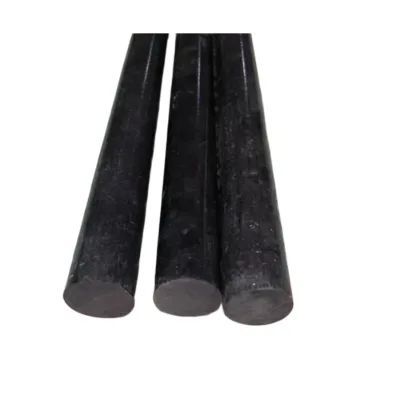
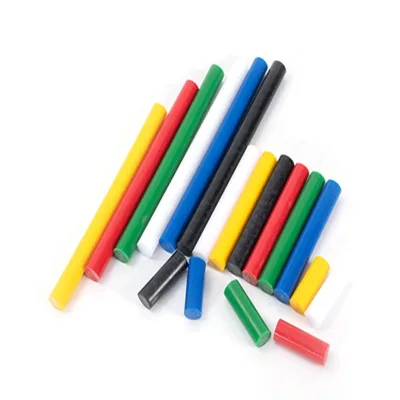
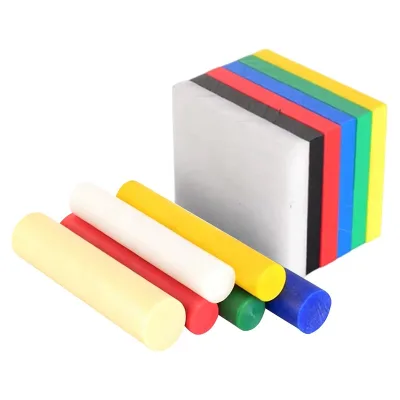
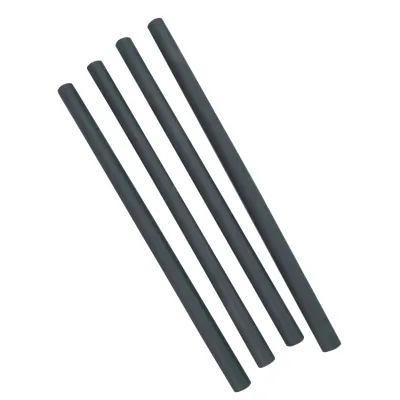
Comprehensive Sourcing Guide
Extruded Engineering Nylon Rod Sourcing Guide
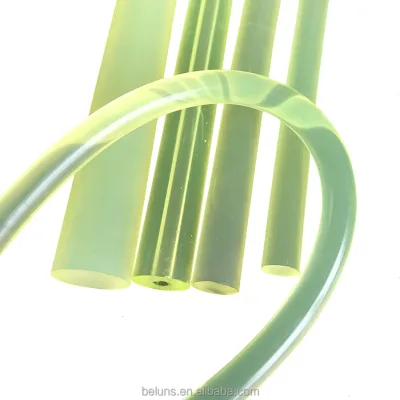
Sourcing extruded engineering nylon rods requires a disciplined approach to material verification and dimensional precision. Buyers must distinguish between generic plastic bars and true engineering-grade polyamide products, as performance varies significantly across polymer grades. The observed market data indicates a wide range of diameters, from small 8mm rods to large 400mm profiles, suggesting that suppliers cater to both precision machining and heavy-duty structural applications. Understanding these physical variations is the first step in defining accurate technical requirements for your procurement team.
Procurement professionals should prioritize suppliers who offer customization services, as standard stock lengths often do not meet specific project needs. The presence of CNC machining and cutting services in the supply chain indicates that many vendors provide value-added processing, reducing the need for secondary operations in-house. However, buyers must verify that the extrusion process maintains consistent density and tensile strength throughout the rod’s cross-section. This ensures that the final machined components will perform reliably under mechanical stress and environmental exposure.
Product Scope and Observed Listing Signals
The current market landscape for nylon rods includes a diverse array of plastic materials, with PA, PP, and PE being the most frequently listed options. While the core keyword focuses on engineering nylon, buyers often encounter listings that mix polyamide with other thermoplastics. It is crucial to scrutinize product descriptions to confirm that the material is indeed high-performance nylon rather than a lower-cost alternative. The observed diameter ranges, such as 6mm to 350mm, highlight the versatility of these products, but also the importance of specifying exact tolerances to avoid fitment issues in assembly.
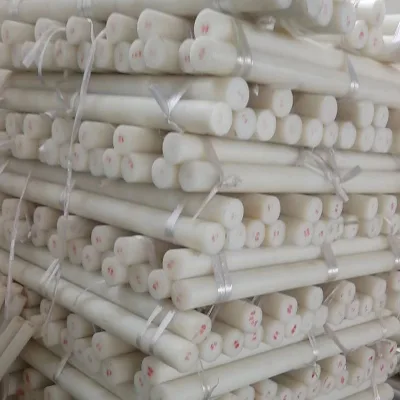
Listing signals also reveal significant variation in surface treatments and packaging methods. Some suppliers offer glossy, matte, or embossed finishes, which can affect friction coefficients and aesthetic requirements for visible components. Packaging is typically palletized or placed in wooden cases, indicating that these items are heavy and require careful logistics planning. Buyers should note that some listings specify pure raw materials, which is a positive indicator of quality, but this claim must be validated through material certificates rather than accepted at face value during the initial sourcing phase.
Technical Specifications to Verify
Tensile strength is a critical mechanical property that varies across different nylon grades and processing conditions. Observed data shows ranges from 3040MPa to 5180MPa, indicating that not all nylon rods offer the same load-bearing capacity. Buyers must specify the required minimum tensile strength based on their application’s stress profiles. Additionally, water absorption rates are a key differentiator, with some materials showing less than 0.01% absorption while others may absorb more moisture, leading to dimensional instability. Verifying these properties ensures that the rod will maintain its integrity in humid or wet environments.
Dimensional accuracy and contraction percentages are equally important for precision engineering applications. The observed contraction percentages range from 1.0% to 2.5%, which directly impacts the final dimensions of machined parts. Buyers should request detailed specification sheets that confirm the diameter tolerances, typically ranging from φ20mm to φ350mm, and the stock lengths available. Custom sizing options are frequently offered, but these may involve longer lead times. Confirming the density, often around 0.94-0.97g/cm3 for certain plastics, helps in calculating weight and cost accurately for large-volume orders.
Compliance and Safety Documentation
Regulatory compliance is essential for nylon rods used in automotive, aerospace, or food-contact applications. Buyers should verify that suppliers can provide Material Safety Data Sheets (MSDS) and RoHS compliance certificates, especially if the product contains halogens or heavy metals. While specific certification statuses are not universally listed, reputable manufacturers will have internal quality systems that align with international standards. It is advisable to request test reports for flammability and UV resistance if the rod will be exposed to outdoor conditions or high-heat environments.
Documentation should also include proof of material origin and batch traceability. The observed origin data points to China and specific regions like Hebei, which are major manufacturing hubs for plastic extrusions. Buyers should ensure that the supplier can provide certificates of analysis for each production batch, confirming that the polyamide grade matches the specified molecular weight and additive package. This level of documentation is critical for auditing purposes and for maintaining quality control in downstream manufacturing processes where component failure is not an option.
Cost Drivers and Commercial Terms
Pricing for extruded nylon rods is influenced by raw material costs, diameter size, and order volume. The observed price range of 0.1 to 27.3 USD suggests significant variation based on these factors, with larger diameters and specialized grades commanding higher prices. Minimum order quantities (MOQ) typically range from 1 to 1000 units, allowing for both sample testing and bulk procurement. Buyers should negotiate tiered pricing structures that reward larger volumes, while also considering the cost impact of custom cutting or surface treatments that may add to the base price.
Commercial terms also include packaging and shipping logistics, which can significantly affect the total landed cost. The use of wooden pallets and crates indicates that freight charges will be calculated based on volumetric weight rather than just actual weight. Buyers should clarify whether the quoted price includes export packaging standards suitable for international shipping. Additionally, payment terms and lead times for custom orders should be explicitly defined in the contract to avoid delays in production schedules, especially when dealing with mass production runs that require strict adherence to delivery dates.
Supplier Qualification and Quality Control
Evaluating supplier capabilities requires a focus on their processing equipment and quality assurance protocols. Suppliers offering CNC machining and drawing-based processing demonstrate a higher level of technical competence, which is essential for producing precise nylon components. Buyers should inquire about the supplier’s experience with extrusion processes and their ability to maintain consistent material properties across large batches. Visiting the facility or requesting third-party audit reports can provide insights into their manufacturing standards and operational efficiency.
Quality control measures should include in-process inspections and final product testing. Buyers should verify that the supplier conducts regular checks on diameter, roundness, and surface finish to ensure they meet specified tolerances. The availability of various colors and custom standards indicates flexibility, but this should not come at the expense of material consistency. Establishing a clear communication channel for quality issues and defining acceptance criteria for defects will help mitigate risks associated with receiving non-conforming goods, ensuring that the procurement process remains smooth and reliable.
Long-Term Procurement Checks
Building a sustainable supply chain for nylon rods involves regular performance reviews and relationship management. Buyers should track supplier delivery times, defect rates, and responsiveness to technical queries over multiple orders. Consistent performance in these areas is a strong indicator of a reliable partner who can support long-term production needs. It is also advisable to periodically re-evaluate material specifications to ensure they still meet evolving project requirements, as technology and application demands may shift over time.
Continuous improvement initiatives should include feedback loops between the procurement team and the engineering department. Sharing field performance data with the supplier can help identify potential material improvements or alternative grades that offer better value. Additionally, monitoring market trends for raw material price fluctuations allows buyers to anticipate cost changes and adjust inventory strategies accordingly. By maintaining a proactive approach to supplier management, organizations can secure a stable supply of high-quality extruded engineering nylon rods that support their manufacturing goals.
FAQs
What materials are available for extruded engineering nylon rods?
The available materials include PA, PP, PE, and Nylon. These options allow buyers to select based on specific mechanical needs. Some products are made from 100% pure raw material to ensure consistent quality and performance in demanding industrial applications.
Which diameter sizes can be ordered for these plastic rods?
Diameter sizes range from 8mm to 400mm depending on the specific product model. Custom sizes are also available to meet unique project requirements. Buyers can find options like 6mm to 350mm or 10mm to 350mm in the current inventory.
How is the tensile strength of the nylon rod defined?
Tensile strength values vary between 30 to 80MPa across different product lines. Some grades offer strength between 51 and 80MPa while others range from 30 to 40MPa. This variation allows selection based on the required load-bearing capacity for specific machinery applications.
Can the rods be customized with specific surface treatments?
Yes, customization is available for surface treatments including glossy, matt, embossed, and textured finishes. Polishing services are also offered to enhance the final appearance. Buyers can request specific processing methods using drawings and samples to achieve desired surface qualities.
What is the water absorption rate for these plastic rods?
Water absorption rates typically range from 0.1% to 0.3% for standard grades. Some specific materials like Polyethylene show a lower rate of less than 0.01%. This low absorption ensures dimensional stability in humid environments or wet conditions.
How are the products packed for international shipping?
Products are packed on palletized wooden pallets or in wooden cabinets for protection. Carton packaging and wooden cases are also used depending on the order size. This secure packing method ensures the rods arrive without damage during long-distance transport.
What standards do the plastic rods comply with?
Standards are customizable according to customer requirements or specific codes like JIS, GB, and APIEN. Some products adhere to China GB Code or other international standards. Buyers can request compliance with specific industry standards to ensure regulatory adherence.